
Home / McCloud / Key Programming and Fobs in McCloud
McCloud keys and fobs
Key Programming and Fobs in McCloud: How the Car and the Key Learn Each Other
A modern car key is a small computer wearing a metal blade. When it stops working, the problem is often a missing introduction between key and car, and that introduction can be made again.
McCloud keys and fobs
When the vehicle is the livelihood
For some people in McCloud, a car is a way to get to work. For others, it is the work. Imagine a delivery or rideshare driver who takes a route through the forest towns along Highway 89 and Interstate 5, with a day built around an unbroken chain of stops. If the key stops working, the day does not slow down, it stops. Every missed stop has a person on the other end waiting, and that pressure makes a small key problem feel large.
That picture is hypothetical, but the pressure is real for anyone whose income depends on a vehicle. They cannot afford to be unsure whether the key will start the car in the morning. They also tend to put heavy mileage on a key, which wears the blade, drains the fob battery and tests the electronics. A key for a working vehicle is a tool, and it deserves the care a tool gets.
This page is about the programming side of keys and fobs: how the car and the key learn each other, what can go wrong, and what a mobile locksmith does about it. McCloud is a quiet forest town east of Mount Shasta with snowy winters and a small town pace, but the technology inside a modern key is the same here as anywhere. We take it step by step, in plain language.
What programming actually means
Inside most modern car keys is a tiny chip called a transponder. The car has a computer, usually called the immobilizer, that holds a list of chip codes it trusts. When you turn the key or press a start button, the car sends out a short radio pulse. The chip wakes up, replies with its code, and the car compares the reply with its list. A match lets the engine start. No match, and the engine is blocked.
Programming is the process of adding a new key's code to that trusted list, or in some systems writing a code into the key that the car will accept. A technician connects a programming tool to the car, usually through a diagnostic port under the dashboard, and walks the car's computer through a sequence. Done correctly, the new key is accepted and, in many cases, the old keys remain valid too.
This is why cutting a key is only half of the job. The blade fits the lock, but without the right chip and the right introduction, the car will not start. Our guide on whether all car keys need programming shows that not every key does, and our explanation of what a transponder chip is goes into the signal itself.
Fobs, remotes and smart keys
A fob is the part of the key that talks to the car through buttons. A basic remote fob sends a coded radio signal that locks, unlocks or opens the trunk. Programming a remote is a separate step from programming the transponder. Sometimes both live in one package, a flip key with a blade, a chip and a remote, and the technician programs the pieces to work together.
A smart key, also called a proximity key, goes further. It sends and listens all the time, so the car can sense when the key is nearby. You unlock the door by touching the handle and start the engine with a button, never taking the key from your pocket. It is convenient, and it makes the programming more elaborate, since the car and key exchange encrypted messages rather than a single code.
Smart keys have a trap for working drivers. If the fob battery weakens, the range shortens, and the car may refuse to recognize the key even while it is in your pocket. Most smart keys have a backup, such as a spot to hold the fob against the start button or a hidden physical blade, and knowing yours matters. Our fob troubleshooting guide covers the first checks.
The all keys lost problem
Adding a key when you still have one that works is the easy case. The car is awake, the existing key proves ownership, and the technician can copy the programming. Losing every key is harder. The car has no trusted key to learn from, so the technician must work with the car's computer directly, which takes more time, more equipment and more care.
Many people assume this means a tow to a dealer. In practice, a mobile locksmith with the right equipment can often do it where the car sits, whether that is a driveway, a lot or the roadside. They cut a blade from the vehicle's lock or from code information, prepare a new key and program it to the car. For some vehicles it can take longer than a simple copy. Our guide on what key code cutting is explains how a blade can be cut without an old one.
Expect questions about ownership before any work starts. The technician will want the registration, a photo ID that matches, and possibly something showing the vehicle's identification. It protects the owner, and a technician who skips it is not looking after you. If your vehicle is registered to a business or a leasing company, bring what you have and tell the dispatcher in the request.
Why the spare matters most
The easiest key you will ever make is the one you make while you still have a working one. Programming a spare from a working key is simpler, lighter in effort and less stressful than starting from scratch after a loss. For a driver whose vehicle earns a living, a programmed spare kept somewhere safe is a kind of insurance.
Where should it live? Not on the vehicle, and not in the glove box. Keep it at home, with a trusted person, or in a secure spot where you can reach it. Some drivers keep one with a family member who can bring it if needed. Remember that a spare that sits for years can have a dead battery, so test it from time to time. Our piece on how many keys come with a used car speaks to this too.
If you have just bought a used vehicle, check how many keys came with it. A single key is a warning sign, and a previous owner may still hold another. The guide on buying a used car and the extra key question shows what to ask. A technician can also clear old keys from the car's memory so only keys you hold will start it.
Remote start and added features
Remote start adds a wrinkle. When a system is installed after the car is built, it often has a bypass module that stands in for the key's chip while the engine runs. That means a failed remote start may not be the key's fault at all, and a key problem may not be the remote's. A technician will want to know whether your vehicle has an add on system.
Some factory remote starts depend on the fob, with a button press from a distance. Cold weather, again, shortens battery life and range, which can make the feature seem to fail just when you want it most on a frosty morning. Replace the fob battery before assuming a larger fault. Our overview of remote start and key questions goes through typical cases.
If you add a key or fob to a vehicle with a remote start, tell the technician. It can affect how the new key should be programmed and which functions will carry over. Do not worry about the exact term, just describe what the vehicle does and when it stopped doing it. Clear notes beat guesswork, and a technician can usually narrow the cause down in a few questions.
Aftermarket features sometimes hide behind symptoms that look like key faults. A car that starts and then shuts off after a second may have a security light blinking on the dash, which is the immobilizer saying it does not trust the key. A car that starts only when the key sits in one spot on the ring may have a chip fighting for signal with another fob. Mention what the dash lights are doing when you ask for help, because that small observation often points straight at the cause.
Cold weather and a forest town
In McCloud, winter does real work on keys. Snow, slush and repeated freezing force moisture into key blades and fobs. A fob dropped in a puddle or stored in a wet coat pocket can corrode at the contacts. Cracked plastic cases are common after a winter of being dropped on icy ground, and a cracked case can let moisture in and ruin the electronics.
Batteries are the most frequent culprit. A coin cell inside a fob is built to last a good while but gives less in the cold, and it can seem dead at dawn and cooperate again at noon. If a fob works in some conditions and not others, the battery is the first suspect. Replace it, check that the contacts are clean, and make sure the case closes properly.
Forest roads and trailheads mean a driver may be far from any help when a key fails. That is a good reason to carry the mechanical backup key and know how to use it. Keep a note of your vehicle details on your phone. When you reach a signal, the request form lets you describe your situation. The team works around the clock, and the phone line is coming soon.
What a mobile programming visit looks like
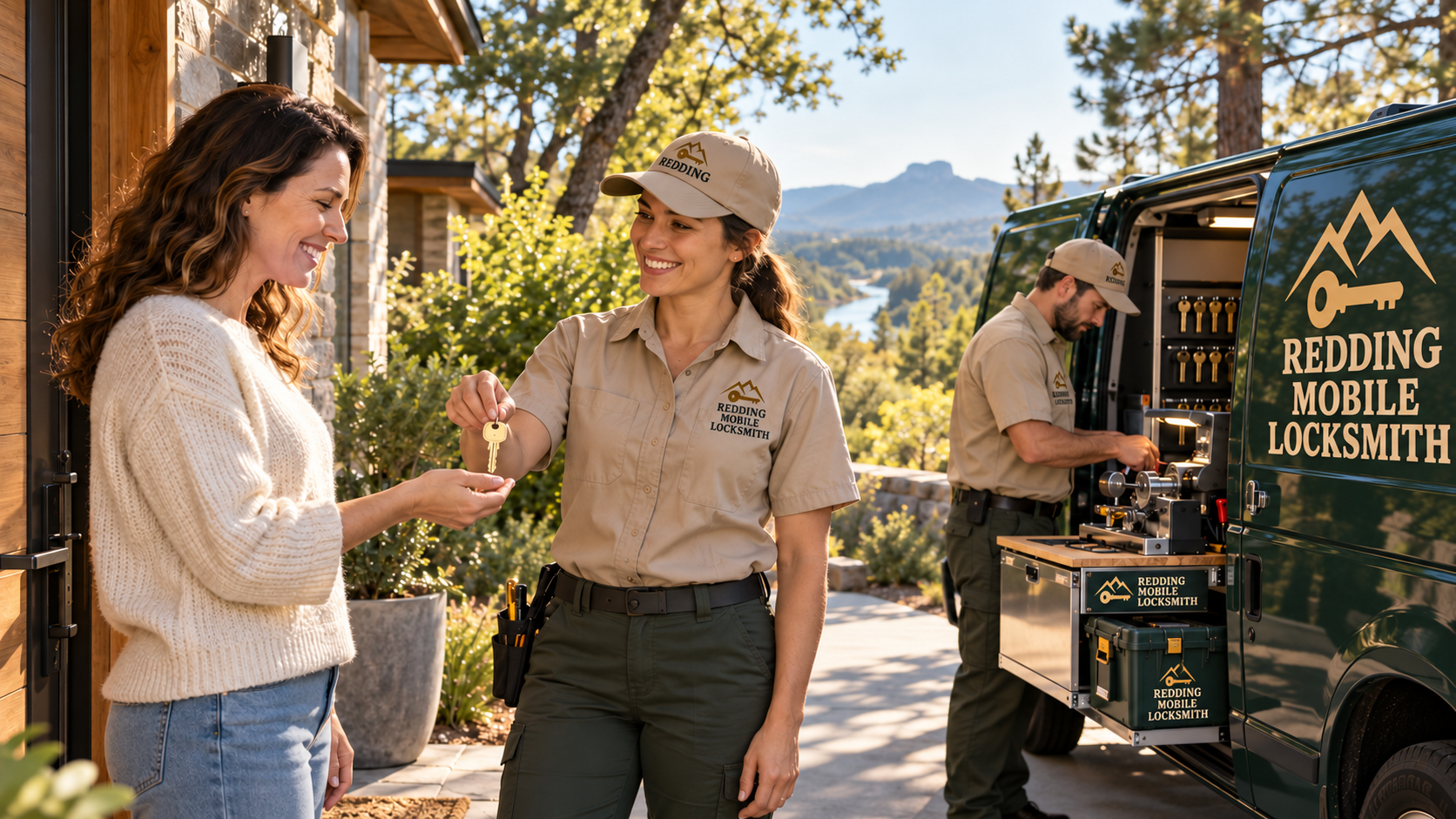
When the technician arrives in the branded van, the first step is confirming who you are and what vehicle you have. They check the key type, the make, model and year, and which programming method the car uses. The van carries professional tools, key cutting and programming equipment, and common hardware, so cutting a blade and programming a chip often happen right at your car.
The process itself is quiet. The technician connects the tool, puts the car into a learning mode and introduces the new key. Then they test everything: the door lock, the remote buttons, the ignition or start button, and any remote start. They confirm that your existing keys still work. They should explain what was done, and tell you what to do if something behaves oddly later.
Afterward, you should receive all the keys that were made, and a clear idea of how many keys the car now accepts. If you have lost a key, ask whether the lost one has been removed from the car's memory. That step keeps a missing key from starting the vehicle. Our page on key programming and fobs covers the service across the whole area.
Questions to ask before you hand over a key
Not every key job is the same, and a few plain questions will help you judge the one in front of you. Ask what the technician will do first and whether your existing keys will continue to work afterward. Ask whether the new key will include the remote buttons or only the ignition function. Ask how many keys the car will accept at the end. A professional will answer these without fuss, and the answers tell you a lot.
Be wary of any suggestion that a key can be made without any proof of ownership. A responsible technician asks for it every time, because the same skill that rescues an owner could help a thief. If someone offers to program a key and shows no interest in who you are, treat that as a warning. You can read more about this in our guide on how to tell a locksmith is the real thing.
It also helps to ask what happens if something goes wrong after the visit. Perhaps the fob loses its pairing, or one button seems less reliable than the others. A good technician explains what to check first and how to ask for a follow up. Keep the information you were given, along with notes on which keys were made. If your situation involves several vehicles, such as a small fleet of work vehicles, say so in your request, since planning is easier when the technician knows the scope.
Putting it together for the road ahead
If you rely on a vehicle, a short routine is worth building. Check that you have two working keys, that both start the car, and that the fob batteries are fresh at the start of winter. Know where the mechanical backup is and how it works. Keep your registration current and reachable. These small habits make a lost key an annoying afternoon instead of a lost week.
When something does go wrong, remember that the problem is usually solvable. The cars and trucks page for McCloud covers lockouts and ignitions, and replacement car keys covers the key itself. Neighboring Dunsmuir has its own page for drivers who travel that stretch of canyon.
Then, when you are ready, use the request form. Give your location, your vehicle, and what the key does or does not do. Redding Mobile Locksmith serves McCloud and the whole region, and the technicians will take it from there. A little preparation turns a stressful moment into a routine one.
Good to know
Common questions
What does it mean to program a car key?
It means adding the key's chip code to the list of codes the car's computer trusts, or writing a code into the key that the car will accept. A technician connects equipment to the car and walks it through a learning sequence. Without it, a key may turn in the lock but not start the engine.
Can a locksmith program a key if I lost all of mine?
In many cases, yes. It is more involved than copying a key because the car has no trusted key to learn from, so the technician works with the car's computer directly. Expect to show registration and a matching photo ID before work begins.
Why did my fob stop working in cold weather?
Fob batteries give less power in the cold, which shortens range and can make a good fob seem dead. Try a fresh battery first and use the hidden mechanical key if your fob has one. If it still fails, the fob may need reprogramming or replacing.
Will programming a new key stop my old keys from working?
Usually not. In many systems the new key is added to the list and the old ones keep working. If you lost a key, ask the technician to remove it from the car's memory so that the missing key can no longer start the vehicle.
Do I need a dealer for a smart key?
Not necessarily. A mobile locksmith with the right programming equipment can handle many smart keys at your location. Some vehicles are more demanding than others, so give the make, model and year in your request and the dispatcher can tell you what to expect.
How many keys should I have for a work vehicle?
At least two that both start the car, with one kept somewhere safe and away from the vehicle. A programmed spare is much simpler to make while you still have a working key. Test the spare now and then, because fob batteries weaken even when the key sits unused.